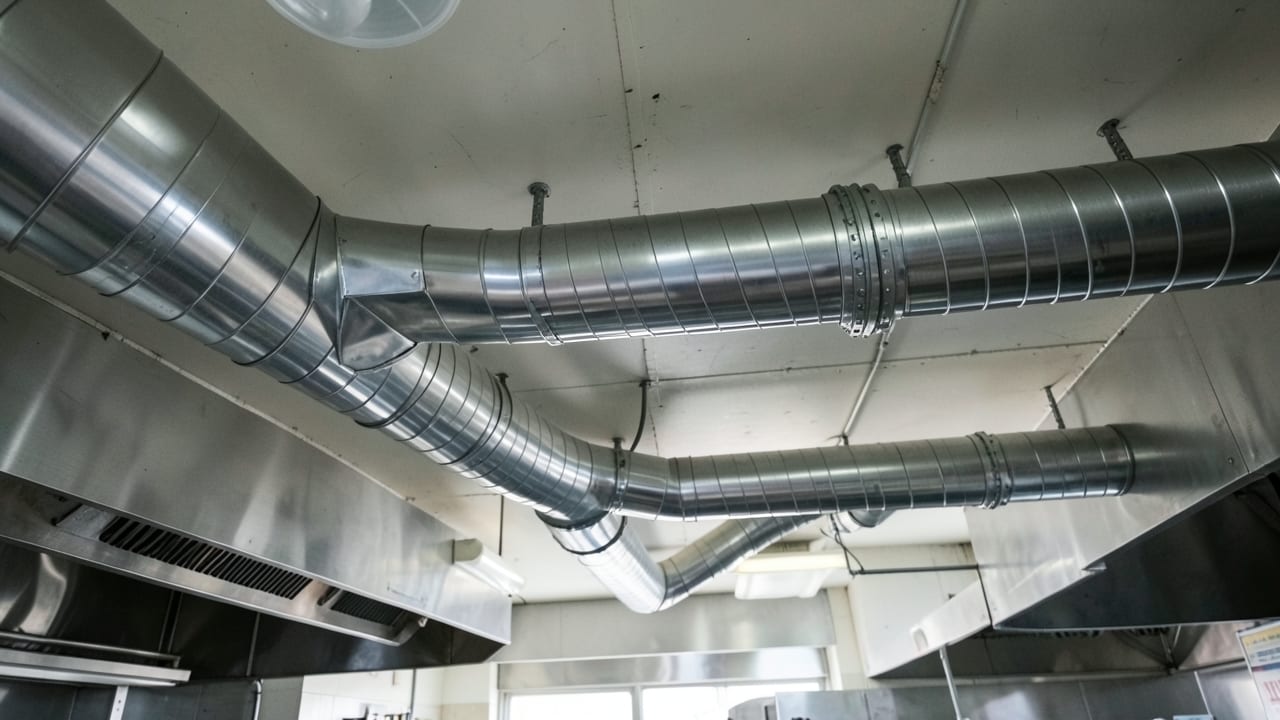
Fire Smoke Duct Deodorization
Removal of smoke residue and odors from HVAC ductwork after a fire.
After a fire, lingering smoke odors and soot can settle deep in your home’s HVAC system, circulating through ducts and leaving a persistent, unpleasant smell. Fire smoke duct deodorization in Sandy, UT, involves cleaning and treating ductwork to remove contaminants, restoring clean air to your home.
This service targets hidden residues that standard cleaning may miss, addressing both odor and indoor air quality concerns.
We also handle Attic Duct Cleaning and Basement Duct Cleaning for Sandy properties.
Why fire smoke duct deodorization is different
Standard duct cleaning removes dust and debris, but fire smoke leaves behind fine particulate, chemical residues, and odors that cling to duct surfaces. These contaminants can linger long after the fire is out, requiring specialized cleaning and deodorization to fully eliminate.
Without treatment, smoke particles continue to circulate, worsening indoor air quality and leaving a stale, smoky scent that won’t fade on its own.
The process goes beyond basic cleaning to include mechanical agitation, HEPA filtration, and targeted treatments to neutralize odors. This ensures the system is not just physically clean but also free of lingering chemical smells that can affect your health and comfort.
Signs You Need Fire Smoke Duct Deodorization
- A stale or smoky odor that worsens when the HVAC system runs, then fades when it’s off.
- Visible soot or gray film around supply vents or registers, especially if it reappears quickly after cleaning.
- Dust settling unevenly—faster near vents or in specific rooms—suggesting active redistribution from the ducts.
- Musty smells that develop while the system is running, indicating trapped moisture or organic buildup in the ducts.
- Respiratory irritation or eye discomfort when the system is on, which may stem from fine smoke particles still circulating.
What affects pricing and timing?
Pricing for fire smoke duct deodorization depends on the scope of work, duct layout, and the severity of contamination. Unlike standard duct cleaning, this service often requires additional steps like odor-neutralizing treatments or repeated passes to fully address smoke residues.
The size of your home’s duct system and whether the HVAC unit or coils need attention also influence the total cost.
Timing varies based on household factors like pet dander, pollen exposure, or how often filters are changed. A home with heavy dust sources may need more frequent cleanings, while others might only require it every few years.
Industry recommendations range widely—from once a year to once every five years—but the real answer depends on your home’s specific conditions.
| Factor | Impact on Service |
|---|---|
| Duct layout complexity | More branches or tight spaces may require additional time and equipment. |
| Severity of smoke exposure | Heavier soot buildup or chemical residues need deeper cleaning and treatments. |
| HVAC unit inclusion | Cleaning coils and blower components adds to the scope and cost. |
| Register and vent condition | Damaged or corroded registers may need repair or replacement. |
| Odor-neutralizing treatments | Specialized deodorants or antimicrobials may be required for persistent smells. |
What to expect after cleaning
After fire smoke duct deodorization, you should notice a reduction in lingering odors and improved airflow. However, results depend on how thoroughly the ducts were cleaned and treated. Some homes may require follow-up visits if odors persist, especially in cases of heavy smoke damage.
It’s also normal for dust to resettle over time—regular filter changes and sealing duct gaps help slow this process.
Airflow verification ensures the system is functioning as intended after cleaning. If circulation feels weaker in certain rooms, it may indicate blocked or damaged duct sections that need further attention. Monitoring for recurring dust buildup or odors helps determine if maintenance is needed sooner than later.
Changing air filters every 1–3 months (depending on filter type and household conditions) reduces dust buildup. Sealing gaps at duct connections—such as where boots meet registers or sections join in basements or attics—prevents outdoor debris or attic dust from entering the system. For homes with pets, frequent grooming and vacuuming at the source minimizes fur and dander that can accumulate in ducts.
How fire smoke duct deodorization works
This service combines inspection, mechanical cleaning, and targeted treatments to remove smoke residues and restore duct function.
- 1System Inspection
A camera or mirror inspection identifies concentrated soot, debris, or biological growth in supply and return ducts. This step ensures cleaning efforts focus on the most affected areas, avoiding unnecessary agitation of already-clear sections.
- 2Register Sealing and Negative-Pressure Setup
Non-active registers are sealed, and a negative-pressure unit is connected to the system. This pulls dislodged dust into a HEPA-filtered collection system instead of blowing it into living spaces during cleaning.
- 3Mechanical Agitation and HEPA Extraction
Rotary brushes or compressed-air whips loosen compacted soot and debris from duct walls. A HEPA vacuum then extracts the material, capturing fine particles on-site rather than recirculating them.
- 4Register and Diffuser Cleaning
Each supply and return register, grille, and diffuser is removed and cleaned separately, as these surfaces collect different types of buildup—like pet hair or surface dust—that standard duct cleaning misses.
- 5Airflow Verification
After reassembly, airflow is checked at multiple registers to confirm circulation matches pre-cleaning levels. This step ensures the work improved—not just redistributed—dust within the system.
Frequently asked questions
How do I know if my ducts need fire smoke deodorization instead of a regular cleaning?
If you notice a persistent smoky or chemical odor when the HVAC runs, or if soot keeps reappearing around vents, these are signs smoke residues are trapped in the ducts. Regular cleaning addresses dust, but fire smoke requires specialized agitation and deodorization to fully eliminate odors and particles.
Will the service remove all traces of smoke odor from my home?
The process targets ductwork and registers, where smoke particles and odors often linger. However, some smells may persist in fabrics, walls, or furniture. Whole-house deodorization or targeted treatments for these areas may be needed alongside duct cleaning.
How often should I repeat fire smoke duct deodorization after the initial cleaning?
There’s no fixed interval—it depends on your home’s conditions, like pet dander, pollen, or filter changes. Homes with heavy dust sources may need more frequent cleanings, while others might only require it every few years. Monitoring for recurring odors or dust helps determine the right timing.
Can I do anything to prepare my home for the service?
Clear furniture and valuables from near vents or registers to allow easy access. Ensure pets and children are kept out of the work area during cleaning. Moving small items away from walls also helps technicians seal registers without obstruction.
Where Sandy sits, and what the Census lists nearby
Sandy sits in Utah, and the closest places listed in the U.S. Census Gazetteer are White City (0.7 miles west), Granite (3.1 miles east), Cottonwood Heights (3.4 miles northeast), Midvale (3.7 miles northwest). Within 25 miles of Sandy the same source lists 57 distinct incorporated places and census-designated places.
Those figures matter for fire smoke duct deodorization because they are straight-line distances between Census coordinate points: road mileage between Sandy and White City runs longer than the 0.7 miles shown, which is why quotes for the same job differ between towns that look close together on a map.
Source: U.S. Census Bureau Gazetteer.
See Saratoga Springs, UT for more, or see our full Sandy-area coverage in detail for our complete lineup.
Ready to get started?
Talk to a local air duct cleaning pro in Sandy — get a written quote.
Other Air Duct Cleaning Services in Sandy
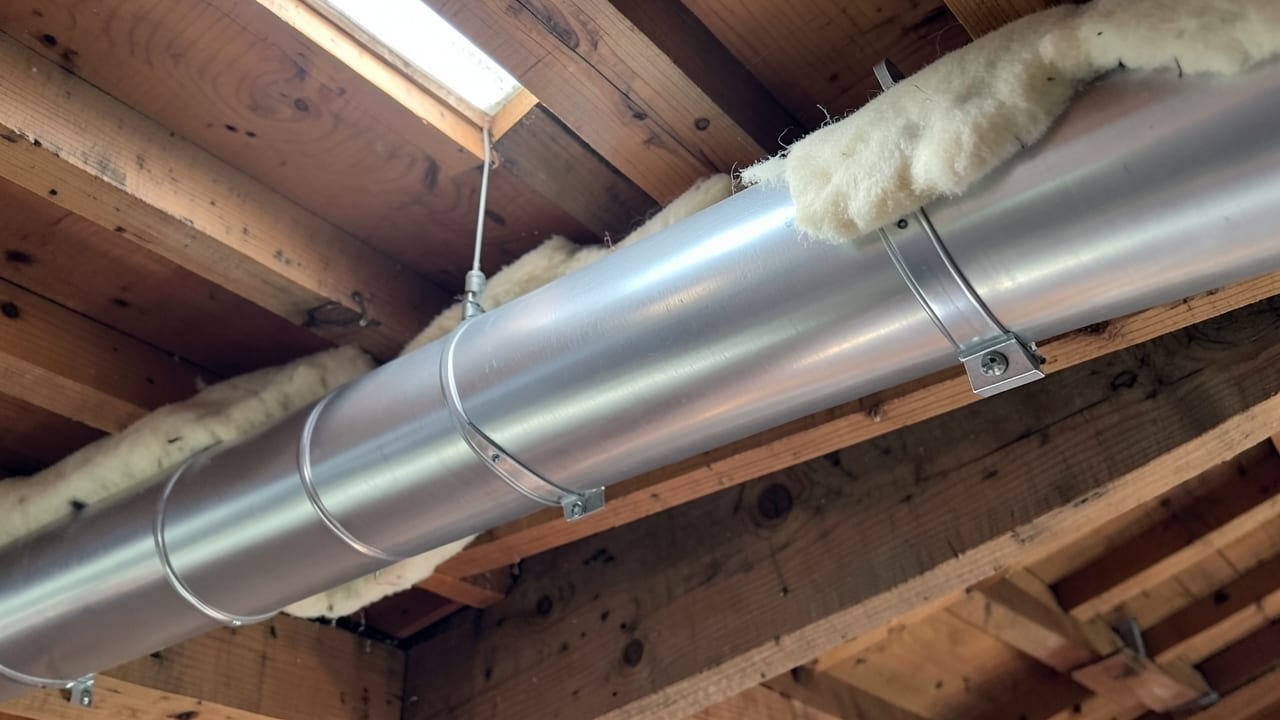
Attic Duct Cleaning in Sandy, UT
Professional cleaning of attic ductwork to remove dust, debris, and contaminants for better airflow.
Learn More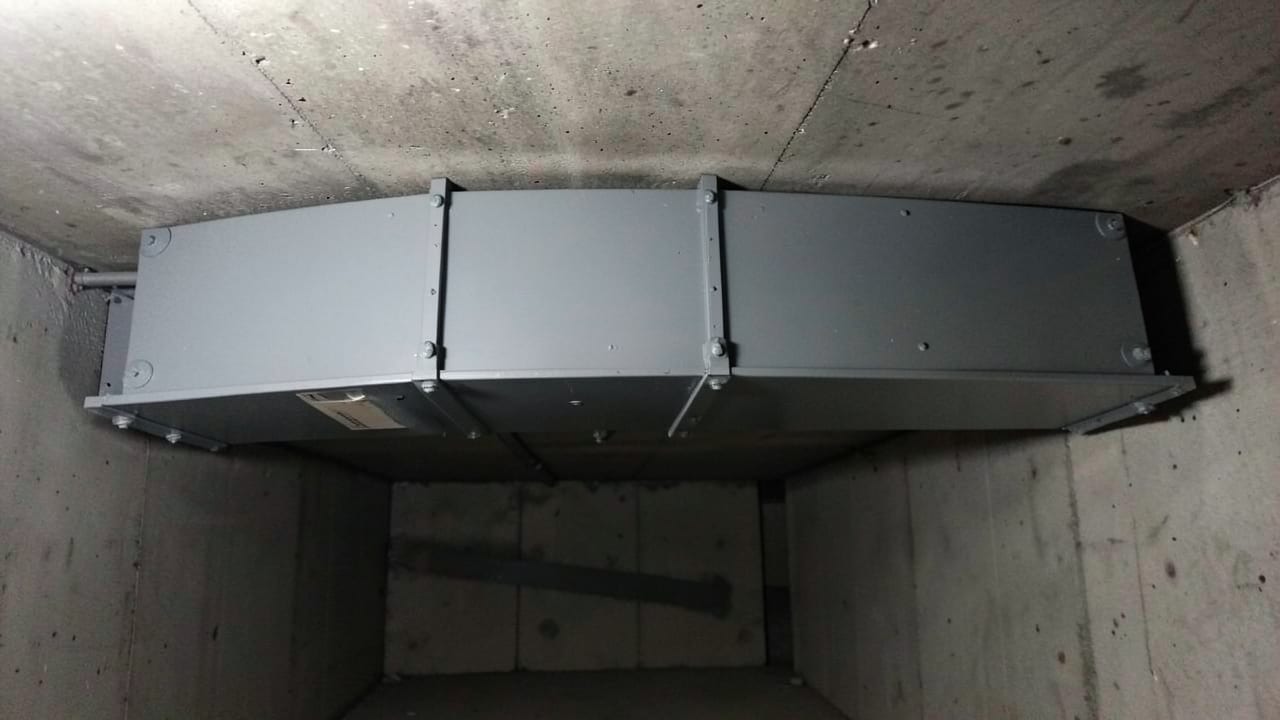
Basement Duct Cleaning in Sandy, UT
Professional cleaning of basement air ducts to remove dust, debris, and contaminants from HVAC systems.
Learn More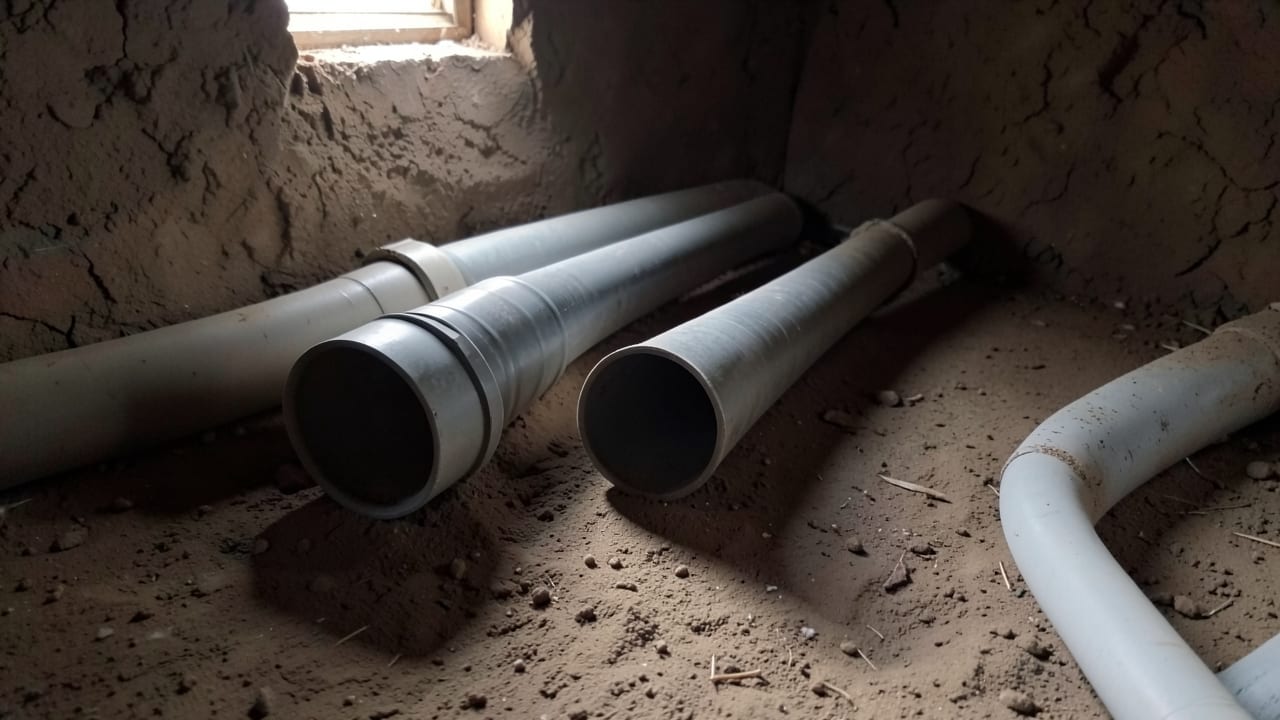
Crawl Space Duct Cleaning in Sandy, UT
Professional cleaning of ductwork in crawl spaces to improve airflow and indoor air quality.
Learn More
Metal Duct Cleaning in Sandy, UT
Professional cleaning of metal ductwork to remove dust, debris, and contaminants from HVAC systems.
Learn More
Fiberglass Duct Cleaning in Sandy, UT
Professional cleaning of fiberglass ductwork to remove dust, debris, and contaminants from HVAC systems.
Learn More
Ductwork Inspection in Sandy, UT
Professional inspection of air ducts and HVAC systems to assess cleanliness and functionality.
Learn MoreCommon Questions About Air Duct Cleaning in Sandy
Everything you need to know about air duct cleaning services in Sandy
How much does Fire Smoke Duct Deodorization typically cost in Sandy, UT?
Do air ducts in a dusty climate like Sandy, UT need more frequent attention?
What's the actual difference between duct cleaning and dryer vent cleaning?
Does the cleaning process release dust into the rest of the home?
How long does a typical air duct cleaning appointment take?
Can duct cleaning damage older or fragile ductwork?
Need Air Duct Cleaning in Sandy?
Get a written quote from our Sandy crew.
⏰ We answer your call • Serving all of Sandy and surrounding areas