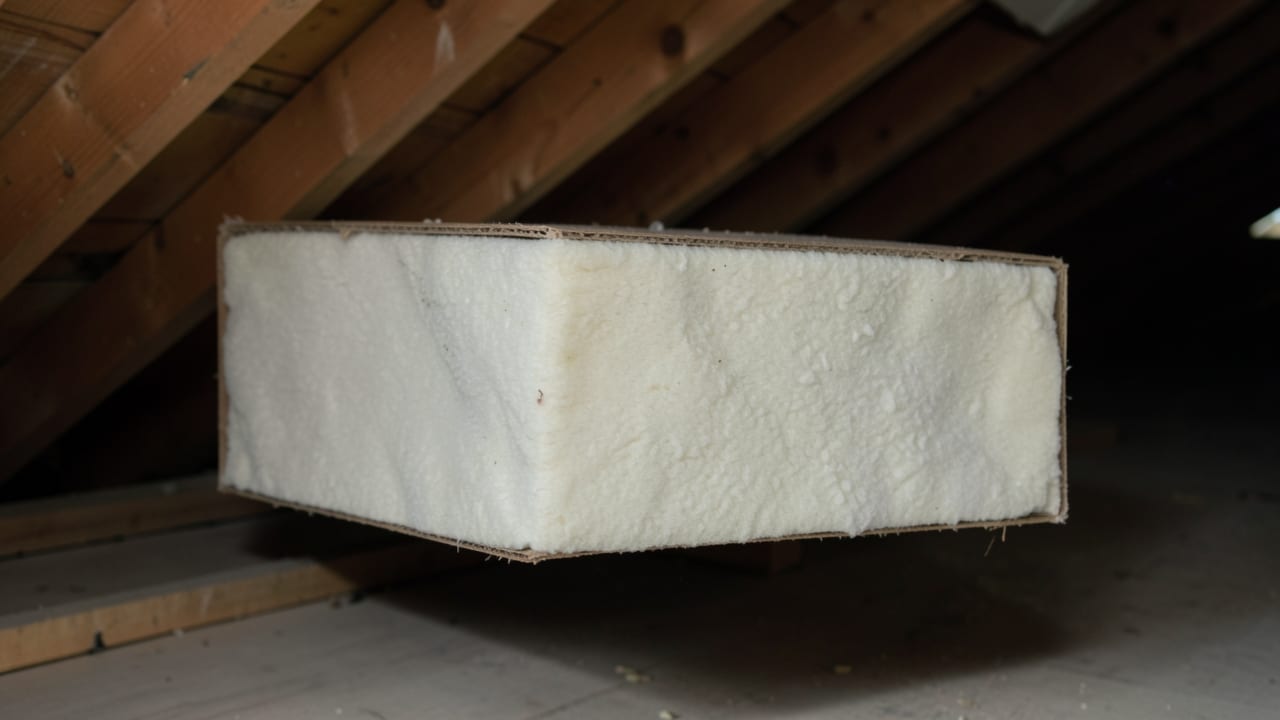
Fiberboard Duct Cleaning
Professional cleaning of fiberboard HVAC ducts to remove dust, debris, and contaminants.
Fiberboard duct cleaning in Sandy, UT, targets the buildup of dust, mold, and debris in HVAC systems with fiberboard components. Over time, these ducts accumulate allergens and pollutants, reducing airflow and indoor air quality. A thorough cleaning helps restore efficiency and comfort for your home’s air circulation system.
When to consider duct cleaning
Duct cleaning may be needed if you notice dust puffing from vents when the HVAC system turns on, or if dust resettles unusually fast on surfaces near supply vents. A musty smell that fades once the system shuts off can also indicate buildup inside the ducts.
We also handle Closet Vent Cleaning and Apartment Duct Cleaning for Sandy properties.
Rooms with visible dust layers returning quickly or a gray film on register grilles often signal active dust delivery from the ducts. These signs suggest the system is redistributing contaminants rather than filtering them properly.
Signs Your Ducts May Need Cleaning
- Dust puffs from vents when the HVAC system starts
- Dust resettles on surfaces faster than usual near supply vents
- Musty or stale smell while the system is running (disappears when off)
- Visible dust buildup reappears quickly on register grilles
- A room collects dust faster than others in the same house
What affects pricing and timing
Pricing for fiberboard duct cleaning in Sandy typically ranges between $300 and $560 for a whole-home system. This range accounts for factors like the size of the ductwork, accessibility, and whether the service includes main trunk lines and HVAC coils.
How often ducts need cleaning varies widely—from once a year to once every five years—depending on household conditions. Regular filter changes, sealing duct gaps, and reducing pet dander are key factors in slowing future buildup.
Common pitfalls to avoid
Skipping the inspection step can leave hidden mold or disconnected flex ducts unaddressed, leading to future issues like dampness or airflow into wall cavities. Using improper agitation methods—like compressed air without sealing registers—can spread dust throughout the home instead of containing it.
Overlooking register and diffuser cleaning means missing a major dust reservoir, while neglecting airflow verification after cleaning offers no confirmation that the system’s efficiency has actually improved.
Disconnected flex ducts or excess moisture from treatments can create new problems. Always confirm the crew seals registers, uses HEPA filtration, and verifies airflow before and after cleaning.
How fiberboard duct cleaning works
A professional cleaning follows a structured process to safely remove dust and contaminants from your ducts.
- 1Inspection
A camera or mirror inspection identifies concentrated dust, debris, or biological growth in supply and return runs before cleaning begins.
- 2Register Sealing
Non-working registers are sealed, and a negative-pressure collection unit is connected to pull dislodged dust into a HEPA-filtered system instead of releasing it into the home.
- 3Mechanical Agitation
Rotary brushes or compressed-air whips loosen settled dust from duct walls, ensuring compacted debris is removed rather than just suctioned.
- 4HEPA Extraction
Dislodged material is captured in a HEPA-filtered collection system, preventing fine particles from re-entering the living space.
- 5Airflow Verification
After reassembly, airflow at multiple registers is checked to confirm improved circulation compared to pre-cleaning levels.
Frequently asked questions
How do I know if my fiberboard ducts need cleaning?
Look for dust puffing from vents, rapid dust resettling near supply registers, or a musty smell while the HVAC runs. These signs suggest contaminants are being redistributed rather than filtered.
Can I clean my ducts myself?
DIY methods like vacuuming vents often miss deep-seated dust and may damage fiberboard ducts. Professional tools—like rotary brushes and HEPA filtration—ensure thorough, safe removal of buildup.
What can I do to slow future duct buildup?
Change air filters every 1–3 months, seal duct gaps, and vacuum registers regularly. Reducing pet dander and household dust also helps maintain cleaner ducts between cleanings.
Why does dust keep coming back after cleaning?
Dust returns fastest when new particles enter the system—often from clogged filters, unsealed ducts, or high-pet-shedding environments. Regular maintenance addresses these sources.
Where Sandy sits, and what the Census lists nearby
Sandy sits in Utah, and the closest places listed in the U.S. Census Gazetteer are White City (0.7 miles west), Granite (3.1 miles east), Cottonwood Heights (3.4 miles northeast), Midvale (3.7 miles northwest). Within 25 miles of Sandy the same source lists 57 distinct incorporated places and census-designated places.
Those figures matter for fiberboard duct cleaning because they are straight-line distances between Census coordinate points: road mileage between Sandy and White City runs longer than the 0.7 miles shown, which is why quotes for the same job differ between towns that look close together on a map.
Source: U.S. Census Bureau Gazetteer.
See Saratoga Springs, UT for more, or see our complete Sandy service list at a glance for our complete lineup.
Ready to get started?
Talk to a local air duct cleaning pro in Sandy — get a written quote.
Other Air Duct Cleaning Services in Sandy
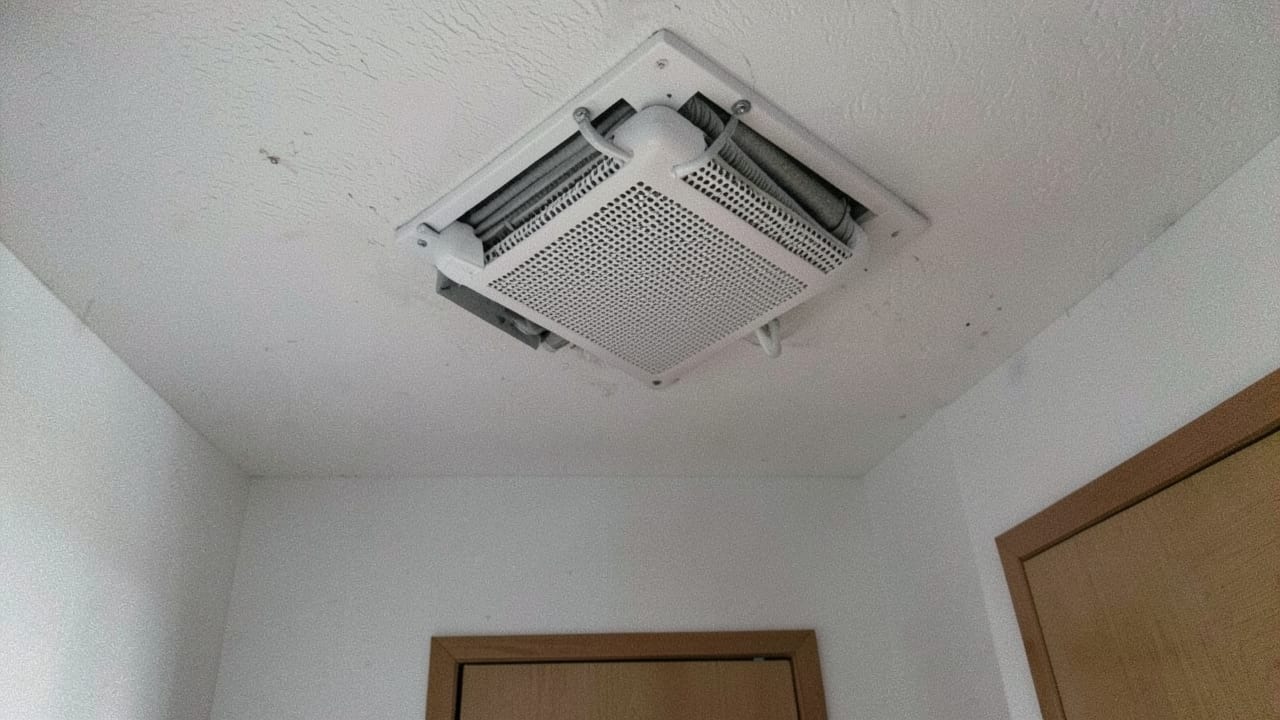
Closet Vent Cleaning in Sandy, UT
Professional cleaning of closet air vents to improve airflow and indoor air quality.
Learn More
Apartment Duct Cleaning in Sandy, UT
Professional cleaning of apartment HVAC ducts to remove dust, debris, and allergens.
Learn More
Rental Property Duct Cleaning in Sandy, UT
Professional cleaning of air ducts and HVAC systems in rental properties to improve air quality.
Learn More
School Duct Cleaning in Sandy, UT
Professional cleaning of school HVAC ductwork to improve indoor air quality and system efficiency.
Learn More
Medical Clinic Duct Cleaning in Sandy, UT
Professional cleaning of HVAC ducts in medical clinics to improve air quality and system efficiency.
Learn More
Water Damage Duct Restoration in Sandy, UT
Restoring air ducts damaged by water to prevent mold and improve HVAC efficiency.
Learn MoreCommon Questions About Air Duct Cleaning in Sandy
Everything you need to know about air duct cleaning services in Sandy
How much does Fiberboard Duct Cleaning typically cost in Sandy, UT?
Do air ducts in a dusty climate like Sandy, UT need more frequent attention?
Does duct cleaning include the coils and blower compartment, or only the ducts themselves?
What's the real difference between flat-rate and per-vent air duct pricing?
How often should air ducts actually be cleaned?
What does an air duct cleaning appointment actually involve, step by step?
Need Air Duct Cleaning in Sandy?
Get a written quote from our Sandy crew.
⏰ We answer your call • Serving all of Sandy and surrounding areas